BATTLE GROUNDS
LIVING NEXT DOOR TO THE ENEMY
Filming started in 2022. We originally intended to make a longform film charting the transformation of Gow’s farm. But as we got to know his neighbours we realised a film about the relationship between neighbours would allow us to explore the deep divisions about nature and land use.
SHAPE
The film is structured around the seasons of a farming year – and life of these tussling neighbours.
BATTLE LINES: HEDGES
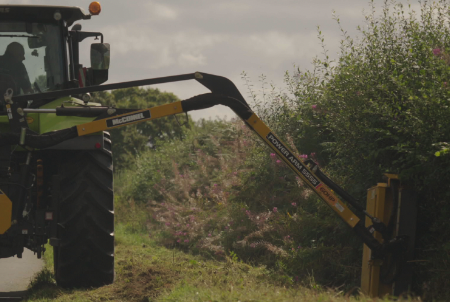
Half of Britain’s hedgerows were ripped out between the 1940s and 1990s. Gow says they’re the only place on most farms where wildlife can survive. Not so on the neat and trimmed Banbury farm. Banbury confesses to an obsession with hedge cutting “nature gets in the way”.
Banbury used to cut Gow’s hedges for him. several years ago Gow decided he hated this annual “savagery” so he’s banned the other Derek from cutting them.
We focus on the hedge boundary between the two farms. Using specialist wildlife teams and cameras we’ve documented life inside over the year to show just what is at stake in this standoff. Banbury tells Gow he’s mad and Gow tells Banbury he’s ridiculous.
To preserve birds nest it’s illegal to cut hedges before September 1st. On that day Banbury comes out in force to tame his side of the road. Despite government funding to incentivise farmers to cut hedges every other year Banbury presses on – “there’s more important things than money” . After being told to fuck off by Gow he uses his large flailing arm of eviscerating all before him. Surveying the damage Gow says he hopes Banbury’s son will stop this horror when he takes over the farm’s reins.
BATTLE LINES: WILD BOAR
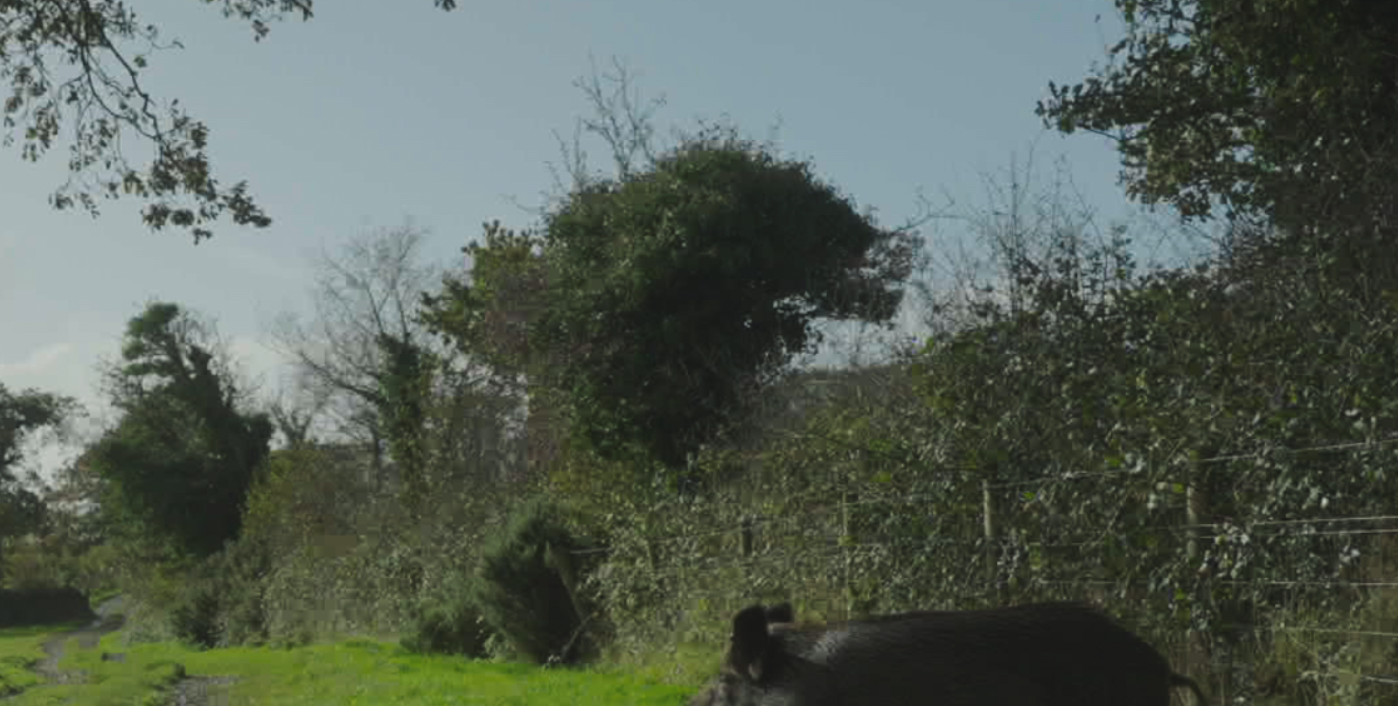
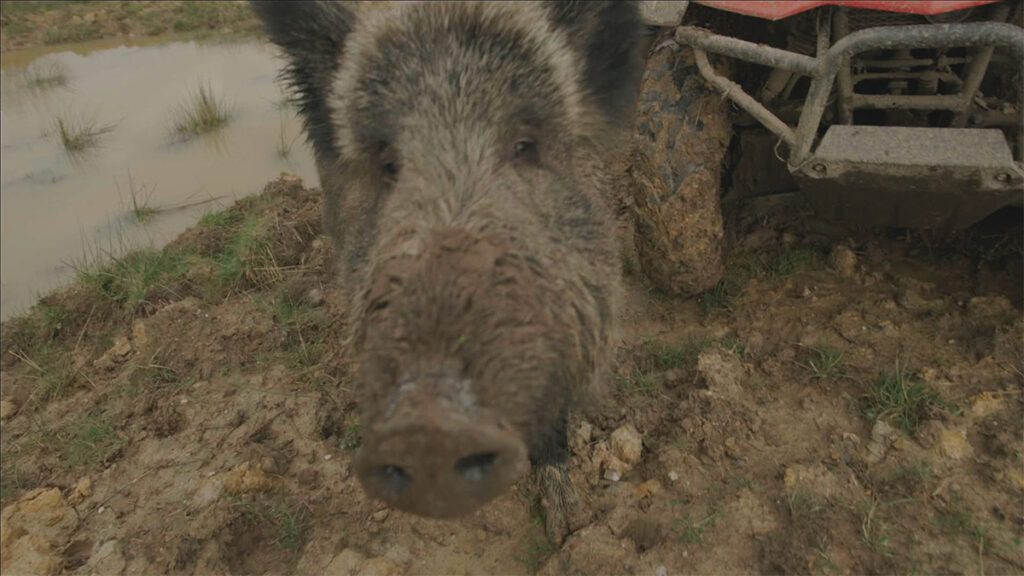
By using their snouts to up-end turf and look for invertebrates the wild boar Derek Gow has released onto his land are brilliant rotovators. They’re churning up the fields disturbing old seed beds giving new life to wild flowers and other native flora. Grass fields are becoming mires and muddy messes.
But as Gow’s neighbour Crispin points out: “They’re wild they don’t stay where you put them!” They escape regularly causing mayhem for Banbury (who’s shot two: “They made great steaks, but the sausages were awful”. ) Another neighbour Tony, who breeds sheep is angry. He accuses Gow of neglecting fences, produces video footage showing boar eating a sheep and claims the boar have killed baby lambs. Gow’s outraged.
Over the year the boar breed, so now over a dozen grown piglets are on the loose. We follow the hunter as he tracks them down.
They are illusive. After pressure from neighbours Gow decides to try and catch them in huge baited traps. He conceded that they’ve become too much of a liability but laments that we once lived alongside them for millennia, why can’t we again?
Will they evade capture? To be filmed.
BATTLE LINES: LAND
Winter 2024. In the cattle market farmers say there’ll be food shortages if rewilders like Gow and their millionaire backers keep buying land. “When the shelves in Tescos are empty it will be too late!”
Derek Banbury heartedly agrees. His neighbour Crispin is in a fight with Gow about a couple of nearby fields, and there is adjacent land they want and Gow has his eye on. “It’s good land being used for nothing”.
Gow enjoys showing off to the camera.his newly acquired meadows beside the river. He believes beavers may already be present, which delights him. Nearly all Britain is used for agriculture he says, the wetlands, wildflower meadows and rough ground have all been lost with no space left for nature. If we don’t have nature – which we all depend on – we will die.
In the pub the conversation turns to land and the Banbury’s make clear they want the adjacent fields. Gow says it will be a fight as he wants it too. Neither are happy.
BATTLE LINES: BEAVERS
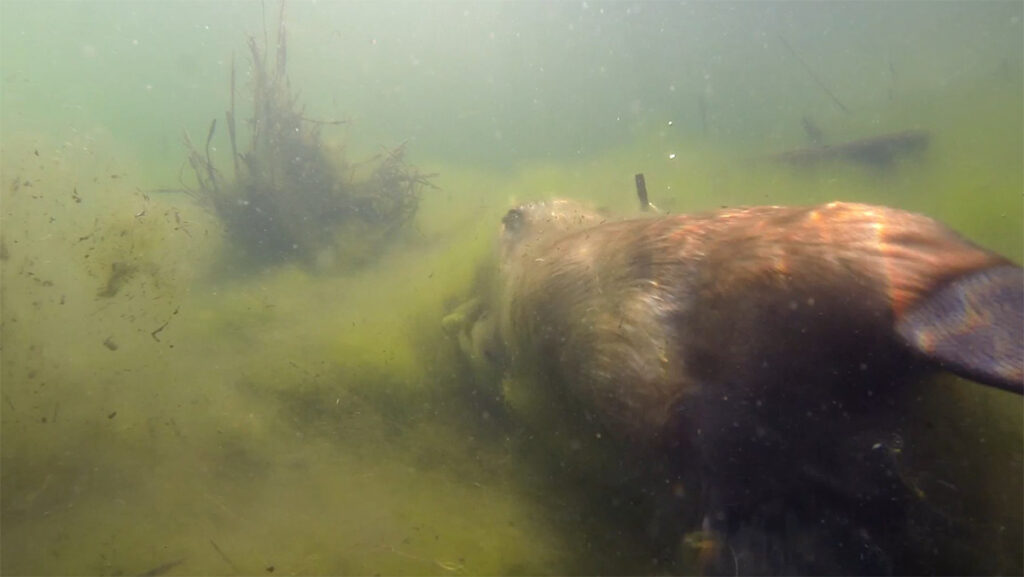
Derek Gow’s life-long passion is beavers. Four years ago they started making a home for themselves on the farm. Deliberately releasing beavers is a criminal offence liable to prosecution. The story Derek told the authorities is that a badger dug a hole under the beavers enclosure’s fence and they “escaped”.
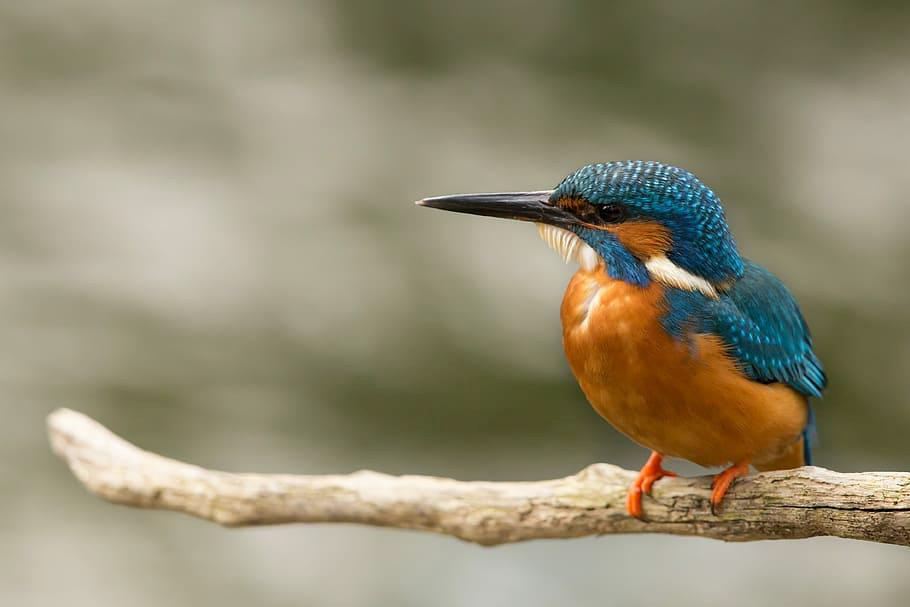
There are now three families occupying the farm’s streams. They’ve created a wetland of myriad dams and ponds which are incubating fish, frogs, newts, toads, insects and snakes, and attracting predators from small mammals to hummingbirds, kingfishers and larger birds.
Derek Banbury is not happy about the beavers. He shows us the “terrible damage” they have wrought on land a few miles away. He knows they’re migrating up the streams to his farm. Gow invites him to see their dam building handiwork on his land. Despite himself he’s impressed with their engineering skills. He even accepts an invitation to join one of Gow’s regular trips to Bavaria where he introduces UK farmers to how the Germans deal with their beaver population
BATTLE LINES: WOLVES
Derek Gow also loves wolves. He’s just finished a book about the gruesome way they were hunted to extinction in the British Isles.
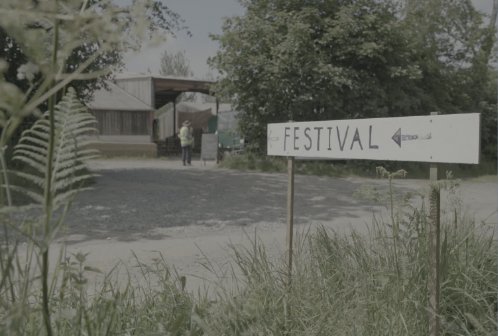
We film his book launch. He also stages a “Wolf festival” in one of his barns to spark off a debate about wolf reintroduction in the UK. Experts arrive from European and stay in Linda Banbury’s fledgling B&B business. A lively debate sees Raus (who lives with ten wolves) explain how they love eating sheep but not people! They’re a vital part of restoring lost biodiversity. There are now wolves in Holland – the densest populated area in Europe. The Banbury team are surprised but listen to the foreign experts. Sitting at the table is one of the family’s farming neighbours, Andrew, who much to the Banbury’s surprise agrees with the wolf men about biodiversity loss.
At the Wolf festival Gow’s neighbour Crispin laughs at the idea a country of 65 million people we’d try and introduce wolves – “a crazy idea dreamt up but a bunch of townies”. Crispin’s a sheep farmer so the impact will hit him hardest. In the pub later Gow defends re-introduction – the Europeans can do it why can’t we? It’s another example of nature being destroyed for farmers convenience. No one agrees with him.
BATTLE LINES: SILAGE vs SKYLARKS
Intensive dairy farming needs lots of winter forage for cattle. The Banbury’s harvest three cuts of silage (grass) annually. This year they work as fast as they can to get it done within ever shrinking weather windows. There’s no time to stop.
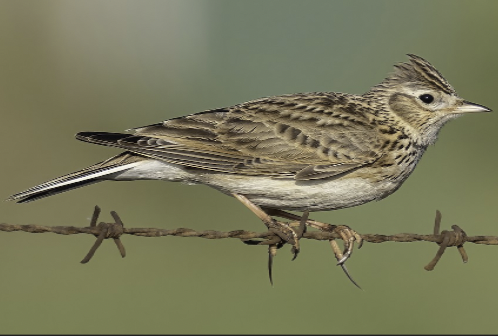
Skylarks love to nest in long grass. There numbers are in sharp decline. Silage harvesting in spring and summer destroys nests and chicks.
On the Banbury farm we film skylarks nesting in their fields. The adults fly up and sing their wonderful song. Tractors crop the fields and the singing stops. Derek Banbury says that he doesn’t see them and even if he did they would be impossible to find. He feels farmers get the blame for everything.
The one place where the skylarks are free to nest in peace is in the neighbouring rewilding fields. He grudgingly admits that the messy fields he looks at over the hedge do have one purpose after all.
BATTLE LINES: ENEMY NEXT DOOR
Though they disagree about farming and rewilding, the two Dereks help each. Derek Banbury pulled Gow out of a ditch recently. The Banbury’s helped dump piles of logs onto his land for him, they cut hay on his fields and helped Gow right and overturned turtle dove aviary blown over in a storm.
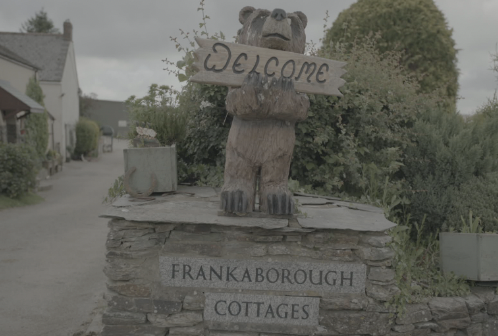
Gow sends eco-tourist visitors and rewilding festival guests to stay in Linda’s (Derek’s wife) B&B accommodation. She admires his drive and passion. For her the idea of newly released storks coming to nest in her farm’s chimneys is exciting (learning that Gow is planning to release his baby storks from their aviary Banbury threatened to shoot them).
We meet her as she sorts out accommodation for the Wolf festival guests and with no qual tells us that the men of the farm are scared of change, she isn’t.
She has regular arguments with her husband as she can see the benefits to the family of living beside the rewilder next door.